

Asphalt vs Concrete for Pickleball Courts: Cost, Durability & Performance Guide
If you’re planning to build a new court, understanding Asphalt vs Concrete for Pickleball Courts is one of the most important decisions you’ll make. This choice affects not only your upfront investment, but also long-term durability, maintenance costs, player comfort, and overall performance. Whether you're a homeowner, HOA board member, school administrator, or facility manager, selecting the right foundation is critical to ensuring your court performs well for years to come.
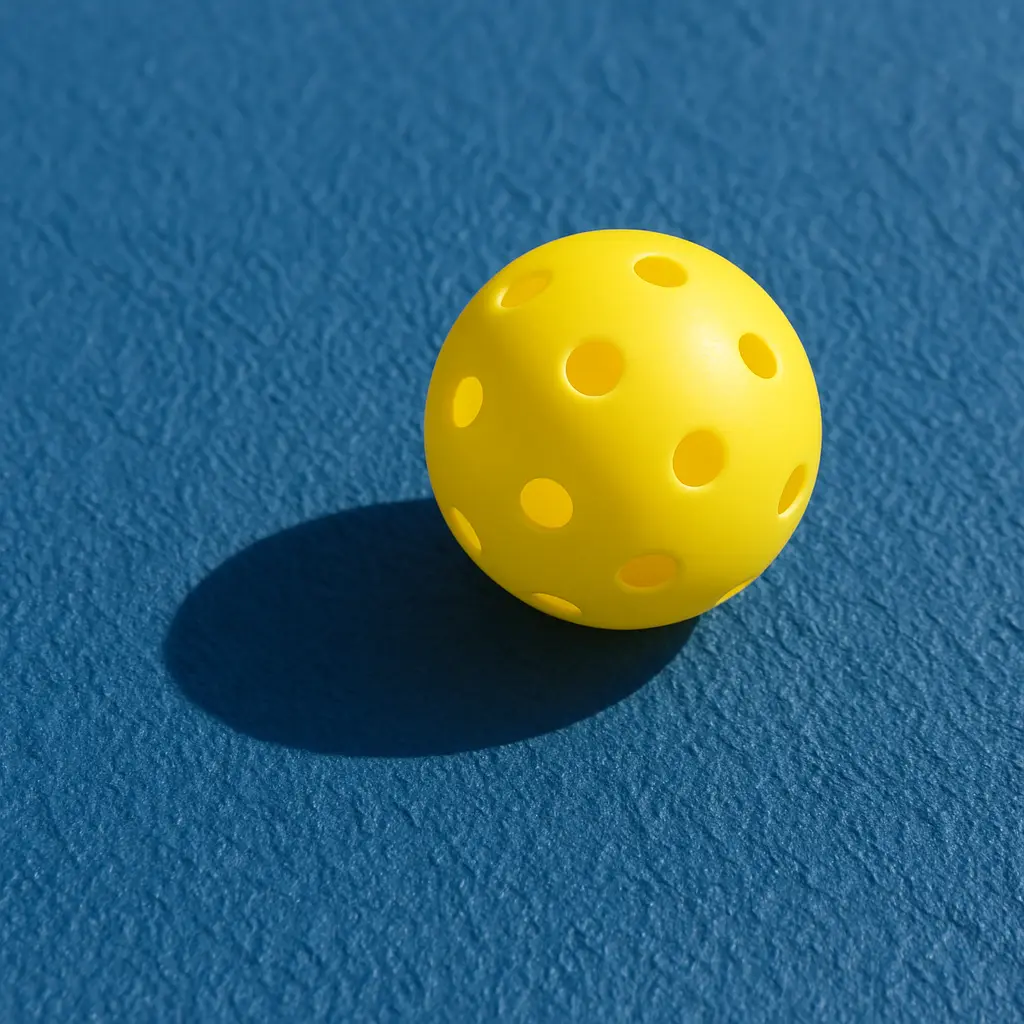
Here’s a key insight many first-time court owners overlook: you don’t actually play on asphalt or concrete. The true playing surface is a professional acrylic coating system installed on top of the base. The asphalt or concrete acts as the structural foundation, while the acrylic layers deliver ball response, traction, and color.
According to USA Pickleball, proper court dimensions, slope, and surface texture are essential for consistent and safe play. That’s why the foundation beneath the acrylic surface matters just as much as the top layer you see.
Let’s break it down with expert-backed guidance so you can make a confident, informed decision.
Asphalt vs Concrete for Pickleball Courts: Understanding the Foundation
Before comparing costs and durability, it’s important to understand how pickleball courts are built.
A standard outdoor pickleball court consists of:
Compacted sub-base (crushed stone for drainage and stability)
Asphalt or concrete slab (structural foundation)
Acrylic resurfacer coats (smooth, level surface)
Color coats with texture sand (controls speed and traction)
Line striping
The acrylic system determines how the ball bounces and how players move. However, the base underneath dictates:
Structural lifespan
Crack resistance
Long-term repair frequency
Overall cost of ownership
Professional contractors like Ace Coatings AZ Pro emphasize that most court failures stem from poor sub-base preparation—not from the acrylic surface itself. A properly compacted, well-drained foundation is the single biggest factor in long-term court performance.
Asphalt vs Concrete for Pickleball Courts: Cost Comparison and Budget Planning
For many projects, budget is the starting point.
Asphalt: Lower Initial Investment
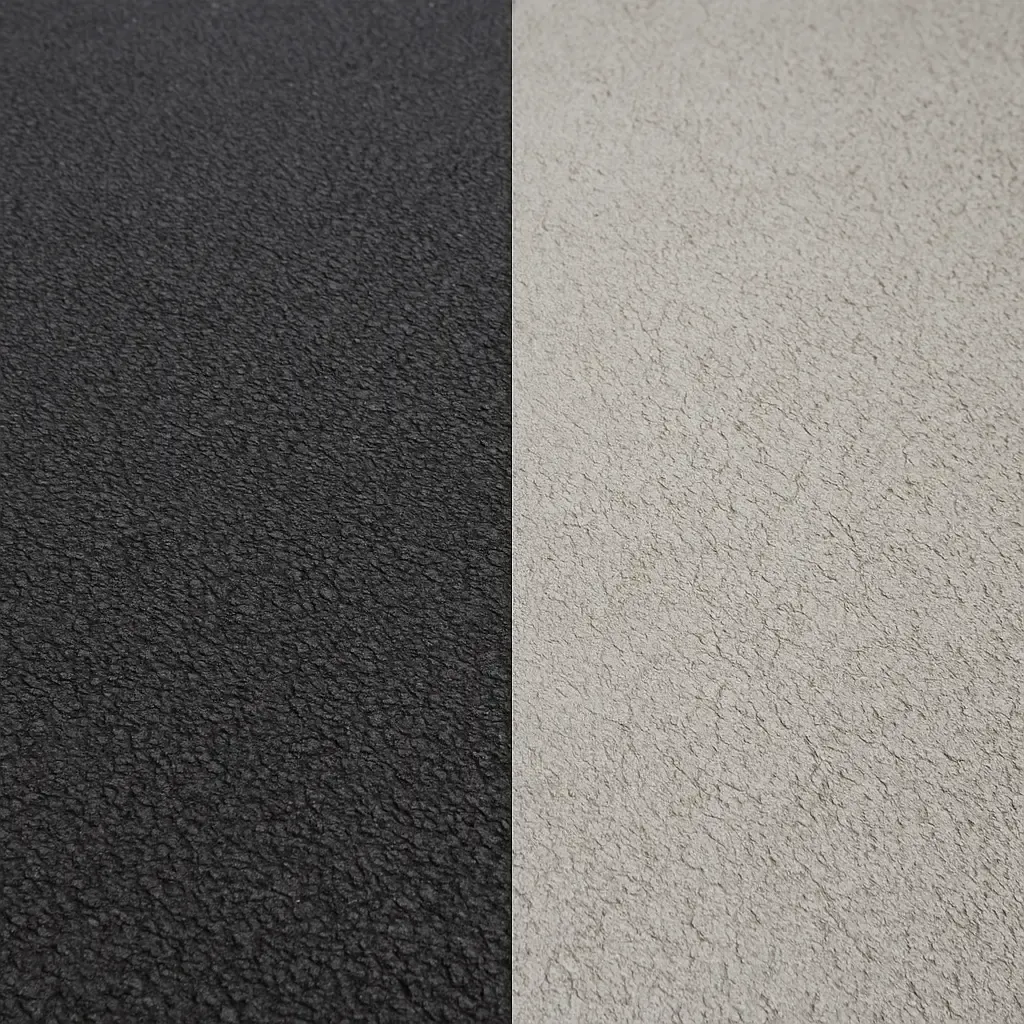
Asphalt courts typically cost 25%–50% less than concrete for initial installation. The paving process is faster, requires fewer forming materials, and generally involves lower labor costs.
Advantages:
More budget-friendly upfront
Faster installation timeline
Slightly softer feel underfoot
This makes asphalt a popular choice for community courts, schools, and residential installations where keeping costs manageable is a priority.
Concrete: Higher Upfront Cost, Longer Structural Life
Concrete requires:
Wooden forms
Steel reinforcement (rebar or mesh)
Longer curing times
This increases installation costs, but concrete can last 30+ years structurally when properly installed.
While asphalt may last 20–25 years before major rehabilitation, concrete often outlasts it structurally—provided cracking is controlled.
An experienced installer like Ace Coatings AZ Pro can evaluate soil conditions, drainage patterns, and local climate to recommend the most cost-effective option for your specific location rather than a one-size-fits-all solution.
How Asphalt vs Concrete for Pickleball Courts Impacts Playability
Beyond cost, performance matters—especially for competitive or high-use courts.
Shock Absorption & Player Comfort
Asphalt offers slight flexibility.
Provides minimal shock absorption
Can feel easier on knees and joints
Preferred by recreational players seeking comfort
Concrete is fully rigid.
No flex
Very firm underfoot
Preferred for high-performance consistency
While neither surface is “soft,” asphalt’s slight give can make extended play sessions more comfortable.
Ball Bounce & Speed
Concrete delivers:
Extremely consistent bounce
Slightly faster play
Tournament-style firmness
Asphalt:
Also consistent when properly surfaced
Slightly more forgiving feel
It’s important to note that the acrylic coating system controls surface texture and speed, regardless of base material. By adjusting sand content in the color coats, contractors can customize surface speed for recreational or competitive use.
Asphalt vs Concrete for Pickleball Courts in Different Climates
Climate is often the deciding factor.
Cold Climates (Freeze-Thaw Cycles)
In regions with freezing winters:
Water seeps into micro-cracks
Freezes and expands
Causes structural cracking
Asphalt performs better in freeze-thaw conditions because it can flex slightly under pressure. Concrete, being rigid, is more prone to significant cracking if water infiltrates.
Hot Climates
In extremely hot regions:
Asphalt absorbs heat and can soften slightly
Concrete remains stable regardless of temperature
In places like Arizona, concrete often performs exceptionally well due to heat stability. However, sub-base drainage and soil conditions are still the primary drivers of longevity.
Long-Term Maintenance and Hidden Costs
Every court requires maintenance—but the type differs.
Asphalt Maintenance
Resurfacing every 5–8 years
Acrylic coatings reapplied
Predictable maintenance cycle
This proactive approach extends structural life and maintains aesthetics.
Concrete Maintenance
Crack repair as needed
Less frequent full resurfacing
Lower routine costs—but less predictable
The biggest risk with concrete is structural cracking. While minor cracks are manageable, major slab fractures can be expensive to repair.
The Sub-Base: The Most Important Layer You’ll Never See
Regardless of your choice in the Asphalt vs Concrete for Pickleball Courts debate, the most important component is the sub-base.
A properly engineered sub-base:
Prevents settling
Promotes drainage
Reduces structural cracking
Extends overall lifespan
Poor drainage is the #1 cause of premature failure. Water trapped beneath a slab guarantees future cracks.
When interviewing contractors, ask:
How deep will excavation go?
What compaction process is used?
How is drainage engineered?
The quality of this hidden layer determines whether your court lasts 10 years—or 30.
Final Verdict: Which Surface Is Right for You?
Here’s a simplified decision guide:
Choose Asphalt If:
You need lower upfront costs
You live in a cold, freeze-prone climate
You prefer slightly more forgiving underfoot feel
Choose Concrete If:
Long-term structural lifespan is top priority
You live in a very hot climate
You want maximum bounce consistency
Ultimately, the best choice depends on your budget, environment, usage level, and long-term goals.
The most critical decision isn’t just asphalt or concrete—it’s hiring a contractor who understands grading, drainage, compaction, and sport-surface systems.
If you're planning a pickleball court and want expert guidance tailored to your location and goals, we’re here to help.
Contact us at Ace Coatings AZ Pro today to schedule a consultation and get a professional evaluation for your project. Let’s build a court that performs beautifully for years to come.
