

Painting Pickleball Lines on Basketball Court: Step-by-Step Expert Guide
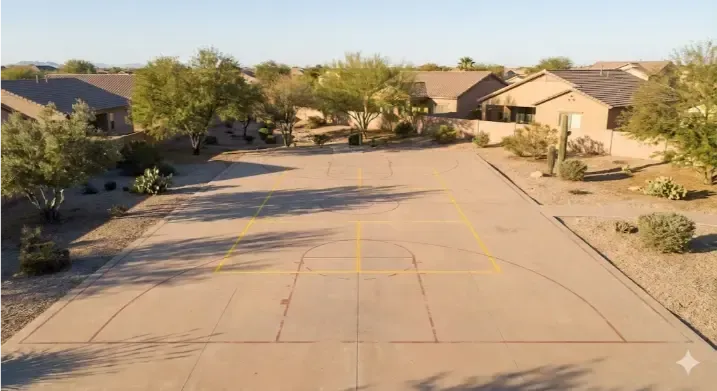
Transforming an existing basketball surface into a pickleball-ready court is one of the most practical ways to maximize recreational space. Painting pickleball lines on basketball court surfaces allows families, schools, HOAs, and community centers to add value without building a brand-new court. With the right tools, measurements, and preparation techniques, you can achieve regulation-quality results that look professional and perform safely for years.
Pickleball continues to grow rapidly across the United States, and following official dimensions from
ensures your court meets recognized standards. In this expert guide, you’ll learn how to choose materials, prepare the surface correctly, measure accurately, and apply crisp, durable lines — all while avoiding common DIY mistakes.
If you want professional-level durability and finish, companies like Ace Coatings AZ Pro specialize in court surfacing and line striping, ensuring long-term performance in Arizona’s climate.
Why Painting Pickleball Lines on Basketball Court Surfaces Is a Smart Upgrade
Adding pickleball lines to a basketball court is a cost-effective, space-efficient solution. Instead of dedicating land and budget to a new build, you can repurpose an existing slab.
Key Benefits
Maximizes existing infrastructure
Low-cost conversion compared to new construction
Fast turnaround (often completed in one day)
Ideal for schools, churches, parks, and residential properties
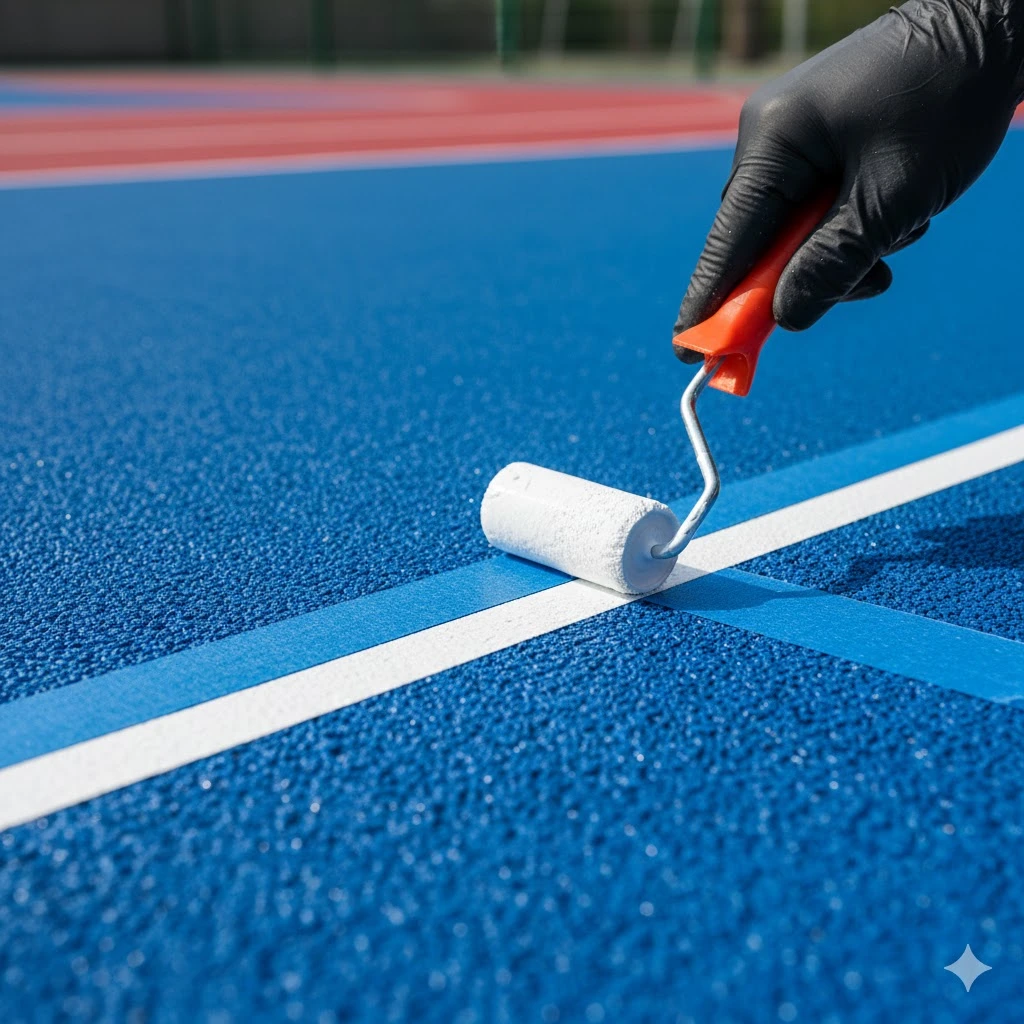
Permanent painted lines provide durability and a professional appearance, especially if the court sees frequent play. Temporary tape works for short-term or rental situations, but it requires maintenance and replacement over time.
For property owners who want long-term results, working with professionals like Ace Coatings AZ Pro ensures proper surface prep, acrylic sports coatings, and non-slip additives — critical for safety and longevity.
Step-by-Step Guide to Painting Pickleball Lines on Basketball Court Correctly
Accuracy is everything when laying out your court. A regulation pickleball court measures 44 feet long by 20 feet wide.
1. Choose Paint vs. Tape
Before you begin:
Permanent Paint
Best for frequent use
Professional finish
Requires proper prep and curing time
Must use acrylic sport court paint (never standard house paint)
Temporary Tape
Budget-friendly
Removable
Ideal for occasional use
Less durable outdoors
For Arizona conditions, UV-resistant acrylic coatings are essential. Ace Coatings AZ Pro uses commercial-grade sport surfacing systems specifically designed for heat, sun exposure, and heavy play.
2. Prepare the Surface Properly
Surface preparation directly impacts adhesion and durability.
Follow these steps carefully:
Sweep thoroughly – Remove dust, sand, and debris.
Wash the court – Use mild detergent and water or pressure wash.
Rinse completely – Soap residue prevents adhesion.
Allow full drying – Moisture trapped under paint leads to peeling.
Skipping this stage is the number one reason DIY lines fail.
3. Measure and Mark the Layout
A helpful shortcut: use the basketball free-throw line as your pickleball net line. This centers your layout and simplifies measurements.
Measure 22 feet in both directions from the net line to establish court length.
Measure 10 feet left and right to establish width.
Snap chalk lines to define boundaries.
Use the 3-4-5 Rule for Perfect Corners
To guarantee 90-degree angles:
Measure 3 feet along one edge.
Measure 4 feet along the adjoining edge.
The diagonal between those points should equal 5 feet.
If it doesn’t, adjust slightly and re-measure.
Professional Tips for Painting Pickleball Lines on Basketball Court Like a Contractor
Once your chalk layout is complete, it’s time to apply your lines.
Taping for Crisp Edges
Use 1.5”–2” high-quality painter’s tape.
Place tape just outside chalk lines.
Press edges firmly to prevent bleed-through.
Apply Paint in Thin Coats
Apply a thin sealing coat first.
Let it become tacky.
Apply a second, even coat.
Remove tape before paint fully hardens.
Allow 24–48 hours for full curing before play.
Don’t Forget the Kitchen and Service Boxes
Measure 7 feet from the net line to mark the Non-Volley Zone (“Kitchen”).
Divide the baseline at the 10-foot midpoint to create service boxes.
Precision matters — even small misalignments affect play.
For commercial properties, schools, or HOA facilities, professional striping services like Ace Coatings AZ Pro eliminate measurement errors and deliver consistent, regulation-compliant results.
Avoid These Common Mistakes
Using standard exterior house paint
Skipping surface cleaning
Painting in humid or rainy conditions
Ignoring cure times
Eyeballing measurements instead of using chalk lines
Proper materials and preparation separate a weekend project from a court that lasts for years.
Final Thoughts
Painting pickleball lines on a basketball court is a practical way to bring more activity and community engagement to an existing space. Whether you’re upgrading a backyard slab or enhancing a shared recreational facility, following regulation measurements and proper application methods ensures safety, playability, and durability.
If you want professional-grade results, expert surface preparation, and long-lasting coatings tailored for Arizona conditions, Ace Coatings AZ Pro can help deliver a court that performs as good as it looks.
Ready to Upgrade Your Court?
Contact us at Ace Coatings AZ Pro today to discuss professional pickleball court line striping, resurfacing, or full sport court coating services. Let’s transform your basketball court into a high-performance multi-sport space built to last.
